
Denver winters ask a little more from your car than most seasons. Cold mornings strain batteries and fluids, while snow, slush, and fast temperature swings wear down brakes, suspension, and tires. Add potholes, foothill driving, and elevation changes, and small issues can grow quickly if they are missed.
Knowing what to watch for makes a real difference. Below are the 10 most common car problems Denver drivers face during winter, along with practical ways to catch them early and limit costly damage.
Key Summary:
Cold Denver winters most often lead to battery failures, low tire pressure, traction and brake issues, thick fluids, and damage from snow, salt, and potholes. These problems usually start small, but catching them early can prevent bigger repairs and keep your car safer on winter roads.
-
Dead Battery and No Start Mornings
Cold weather slows down the chemical reaction inside your battery, which means it produces less power just when your engine needs more to start. A battery that worked fine in fall can suddenly struggle once temperatures drop, especially if it is already a few years old.
Most drivers notice the problem first thing in the morning. You may hear a clicking sound when you turn the key, experience a slow engine crank, or see dashboard lights flicker before the car finally starts or fails to start at all.
If this starts happening, a few steps can help right away:
-
Have the battery tested instead of guessing.
-
Replace older batteries before winter fully sets in.
-
Keep battery terminals clean and tight.
In Denver, cold nights followed by sunny afternoons create repeated temperature swings that shorten battery life faster than steady cold climates.
-
-
Tire Pressure Drops and TPMS Lights
As temperatures fall, the air inside your tires contracts, causing pressure to drop. This is why many drivers wake up to a TPMS warning light after the first cold snap, even if the tires were fine the day before.
You may notice the warning light turns on overnight, the tires look slightly low, or the car feels less stable on the road. Driving too long with low pressure increases tire wear and reduces traction, which matters even more on snow-packed streets.
Here is what helps right away:
-
Check tire pressure regularly during winter.
-
Inflate tires to the factory-recommended PSI, not the number on the tire sidewall.
-
Inspect for slow leaks that cold weather can reveal.
Denver’s elevation and overnight freezes make pressure changes more noticeable, so this is often a recurring winter issue rather than a one-time fix.
-
-
Sliding, Poor Traction, and Fast Tire Wear
Cold pavement and snow reduce traction, and worn or incorrect tires make the problem worse. Many drivers underestimate how much grip changes once temperatures drop, even on dry-looking roads.
Common signs include sliding at stops, spinning tires on hills, or faster-than-expected tread wear. These issues often show up during foothill drives or early morning commutes before roads are fully cleared.
To reduce risk:
-
Use proper all-season or winter-rated tires.
-
Check tread depth before winter driving increases.
-
Rotate tires to promote even wear.
In Denver, elevation changes and foothill roads amplify traction problems, especially during early storms or shaded areas that stay icy longer.
-
-
Brake Problems and ABS or Traction Control Warnings
Winter moisture, road salt, and slush work their way into brake components and wheel sensors. Over time, this can affect braking performance and trigger warning lights even if the brakes felt fine earlier in the season.
Drivers often notice grinding or squealing noises, longer stopping distances, or ABS and traction control lights coming on during cold or snowy conditions. These warnings should never be ignored, especially in winter traffic.
What to do next:
-
Have brakes inspected before winter driving peaks.
-
Address warning lights as soon as they appear.
-
Pay attention to new sounds or pedal feel changes.
Denver’s mix of slush, snow, and freeze-thaw cycles speeds up brake wear compared to drier winter climates.
-
-
Rust and Corrosion From De-icers
De-icing chemicals help keep roads safe, but they stick to metal surfaces underneath your car. Over time, this leads to rust on brake lines, exhaust components, and suspension parts.
Early signs include visible rust, stuck bolts during repairs, or new noises from under the vehicle. Corrosion often goes unnoticed until it causes a failure or makes repairs more complicated.
Steps that help:
-
Wash the undercarriage regularly during winter.
-
Inspect exposed metal parts during oil changes.
-
Address rust early before it spreads.
In Denver, frequent use of liquid de-icers means corrosion is not just a winter problem. It often continues year-round if not managed.
-
-
Thick Fluids and Rough Cold Starts
Cold temperatures thicken engine oil and transmission fluid, making them flow slower at startup. This puts extra strain on internal components, especially during the first few minutes of driving.
Drivers may notice rough idle, delayed shifting, or a sluggish response until the car warms up. These symptoms are more noticeable on very cold mornings or after the vehicle sits overnight.
Helpful steps include staying on top of recommended maintenance:
-
Use manufacturer-recommended, winter-grade fluids.
-
Allow a short warm-up before driving aggressively.
-
Keep fluid services on schedule.
Denver’s cold mornings followed by warmer afternoons stress fluids more than steady cold climates, which is why proper fluid maintenance matters so much here.
-
-
Cooling System Problems Even in Winter
Many drivers assume cooling systems only matter in summer, but winter can be just as hard on them. Coolant regulates engine temperature year-round, and freezing conditions can expose weak hoses, old coolant, or small leaks that were not obvious before.
Common signs include a sweet smell after driving, low coolant warnings, or temperature fluctuations on the gauge. In some cases, a car may even overheat in winter due to restricted flow or air trapped in the system.
Here is what helps right now:
-
Check the coolant level and condition before winter.
-
Make sure the coolant mixture is correct for freezing temperatures.
-
Inspect hoses and the radiator for leaks or cracking.
Denver’s elevation and frequent hill driving put extra load on the cooling system, even when outside temperatures are low.
-
-
Visibility Problems With Wipers and Washer Fluid
Winter weather quickly wears out wiper blades and freezes low-quality washer fluid. Snow, ice, and gritty road spray can turn a clear windshield into a safety issue within seconds.
Drivers often notice streaking, skipping wipers, frozen washer nozzles, or poor visibility during snow or slush storms. These problems usually show up suddenly, right when you need clear vision the most.
Steps that make a difference.
-
Switch to winter-rated washer fluid.
-
Replace worn or noisy wiper blades.
-
Clear ice buildup before using the wipers.
In Denver, fast-moving weather systems mean visibility can change quickly, especially during morning and evening commutes.
-
-
Snow and Ice Buildup in Wheel Wells and Undercarriage
Wet snow and slush can pack tightly inside wheel wells and underneath the vehicle. As it refreezes, it adds weight and can interfere with steering, suspension, and even braking components.
You may hear rubbing or clunking noises, feel the steering pull, or notice reduced fuel efficiency. These symptoms often appear after driving through heavy snow or during rapid temperature changes.
Here’s what helps reduce problems:
-
Clear snow buildup after storms.
-
Rinse the undercarriage when conditions allow.
-
Inspect suspension and steering parts if noises persist.
Along the Front Range, heavier and wetter snow tends to pack more than dry mountain snow, making buildup a common issue.
-
-
Pothole Damage and Alignment or Suspension Problems
Freeze-thaw cycles break pavement apart, creating potholes that are often hidden by snow or water. Hitting even a small one can knock a vehicle out of alignment or damage suspension components.
Drivers usually notice the car pulling to one side, uneven tire wear, steering wheel vibration, or new clunks over bumps. These issues often get worse gradually if not addressed.
Here is what to do.
-
Have the alignment checked.
-
Inspect suspension and steering parts if handling changes.
-
Replace damaged tires early to prevent further wear.
Denver winters are a major reason potholes appear suddenly, especially late winter and early spring.
-
When to Get a Professional Inspection
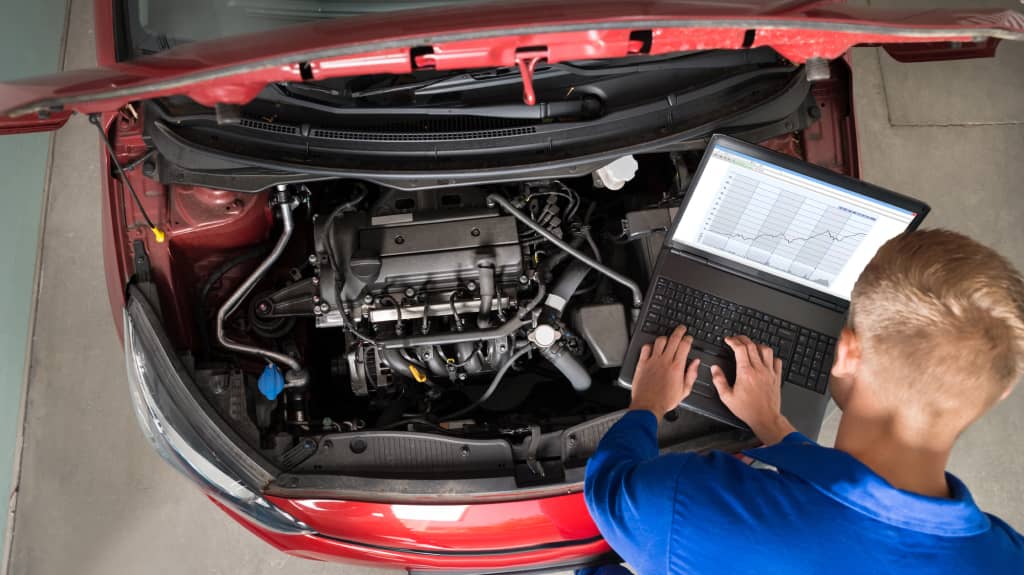
Some winter issues are easy to overlook until they become costly. Warning lights, new noises, changes in steering feel, or rough starts are signs that something needs attention, even if the car still seems drivable.
It is a good idea to schedule an inspection if you notice:
-
Repeated warning lights or alerts.
-
Pulling, vibration, or uneven tire wear.
-
Leaks, burning smells, or unusual sounds.
-
Trouble starting or shifting in cold weather.
Final Words
Denver winters are tough on vehicles, but most major repairs start as small, manageable problems. Batteries weaken, tires lose pressure, fluids thicken, and road conditions quietly wear down brakes, suspension, and alignment.
Catching these issues early can save money, reduce stress, and improve safety when winter driving is at its hardest.
If something feels off or you want peace of mind before problems grow, reaching out to a trusted auto repair shop like A-Affordable Transmissions Center can help catch issues early before they turn into bigger repairs.
We are here to answer questions, inspect your vehicle, and help you make smart decisions so your car stays reliable all winter long.