Colorado winters bring freezing mornings, icy roads, and weeks of below-zero temperatures. Those conditions are tough on your car, especially the transmission.
Cold weather thickens fluid, stresses internal parts, and makes small issues show up fast. Knowing what to watch for helps you avoid expensive repairs and keeps your vehicle reliable through the season.
Key Summary:
Cold weather affects how your transmission shifts, builds pressure, and holds power. Thick fluid, shrinking seals, and delayed engagement are common winter problems in Colorado, and they often show up on the coldest mornings. If you notice rough shifting, slipping gears, leaks, or shaking, it is usually a sign that the transmission needs attention before the issue becomes costly.

Why Transmissions Struggle in Colorado’s Winter Cold
Cold temperatures change how transmission fluid behaves. When the fluid thickens, it cannot flow or build pressure the way it should, which affects shifting and power delivery.
The rapid temperature swings we see in Colorado, especially along the Front Range, add even more stress.
Here are the most common ways winter cold affects the transmission:
-
Fluid becomes thicker, which slows internal lubrication and pressure.
-
Rubber seals contract, which can open small gaps and lead to leaks.
-
Hard engagement becomes more noticeable when the transmission is cold.
-
Worn parts show symptoms earlier because the system is under strain.
-
Slipping gears become worse because cold fluid cannot maintain pressure.
These patterns are especially common in older vehicles or cars that have gone too long without fluid changes.
5 Transmission Problems in Cold Weather
Cold weather exposes weak spots in the transmission quickly. Here are the issues Colorado drivers see most often once temperatures drop.
-
Thick or Sluggish Transmission Fluid in Freezing Temperatures
Transmission fluid becomes thicker when the temperature drops, and thick fluid cannot move through the system the way it should. Colorado’s early morning starts make this problem easy to spot. The car may feel slow to move, or gear changes may feel heavier than usual.
When the fluid cannot circulate properly, the pump struggles to build pressure. This delay often causes hesitation when shifting into Drive or Reverse. Older or dirty fluid makes the issue worse because it already has reduced flow.
If the transmission feels noticeably smoother after the car warms up, cold fluid thickening is likely part of the problem. Regular fluid service can help prevent this from becoming a long-term issue.
-
Delayed Shifting or Hard Engagement When First Starting the Car
A cold transmission often hesitates before it engages a gear. You may shift into Drive and feel a small pause before the car moves. Hard engagement can also show up as a firm clunk or jolt.
This happens because cold fluid cannot build pressure instantly. Seals and internal valves become stiffer in freezing weather, which slows the flow of fluid through the system.
If the delay only lasts a few seconds on cold mornings, it may be a mild winter effect. If it continues after the transmission warms up, it is a sign that internal wear or low fluid is developing.
-
Transmission Leaks Caused by Contracting Seals
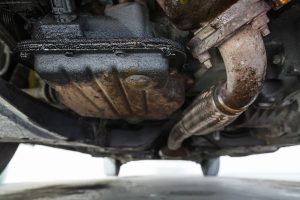
Rubber seals shrink in cold temperatures, and Colorado’s deep freezes can make this problem worse. When seals contract, small gaps form that let fluid escape. Even a small leak can drop pressure enough to cause slipping, overheating, or delayed shifting.
Drivers usually notice leaks as red or brown spots under the middle of the vehicle. Cold-weather leaks often appear overnight, especially after the car sits outside in below-zero temperatures.
Fixing a leak early is important because low fluid can damage clutches and gears very quickly.
-
Torque Converter Shudder During Winter Driving
A torque converter shudder feels like a brief vibration when the car is cruising or shifting into a higher gear. Cold fluid plays a big role in this because the converter cannot lock smoothly when the fluid is too thick.
This shudder often shows up at 30 to 45 miles per hour, especially on gentle acceleration. Many Colorado drivers feel it during morning commutes on Highway 36, I-25, or C-470 before the car fully warms up.
A minor shudder that disappears after warming up could be related to fluid condition. A persistent shudder usually means the converter or internal clutches need attention.
-
Slipping Gears or Weak Acceleration on Icy Mornings
Cold weather can make slipping gears more noticeable. When the transmission fluid is thick, it becomes harder for the system to maintain pressure. If clutches are worn or seals are leaking, the car may struggle to hold a gear.
Common signs include:
-
High engine RPM without matching acceleration
-
Slow response when pressing the gas pedal
-
Weak or sluggish movement on hills
-
Sudden surges or drops in power
Colorado’s steep roads and highway on-ramps make slipping gears easy to spot. If it happens more than once, the transmission should be checked right away since slipping often points to internal wear.
-
How to Protect Your Transmission in Winter
A few simple habits make a big difference in how your transmission handles freezing temperatures. These steps help the fluid flow better, reduce strain on internal parts, and catch issues early before they become costly repairs.
-
Warm the car for a short time before driving, which helps thin the fluid and build pressure.
-
Check transmission fluid regularly, especially during long, cold stretches. Low fluid becomes a bigger problem in winter.
-
Keep up with scheduled fluid changes so the transmission has clean, healthy fluid that can handle cold mornings.
-
Park in a garage when possible to reduce overnight temperature swings.
-
Avoid aggressive driving until the transmission warms up, especially quick acceleration or heavy towing.
-
Fix small leaks early, since cold weather can make them worse.
These simple steps help protect the transmission and keep winter driving smoother and safer.
When to See a Transmission Specialist
If you notice slipping gears, delayed shifting, leaks, shaking, or a burning smell more than once, it is a good idea to have the transmission inspected. Cold weather often brings these symptoms to the surface, but they are usually signs of a deeper issue that will not go away on its own.
A specialist can check the fluid, pressure, seals, and internal components to see whether the problem is minor or something that needs immediate attention. Most issues are easier and cheaper to fix when they are caught early, especially during winter when the transmission is under extra stress.
If the car refuses to move, loses power, or makes loud grinding noises, stop driving and get help right away. These are signs that the transmission needs urgent attention to prevent serious damage.

Final Words
Winter puts extra pressure on every part of the transmission. Thick fluid, shifting delays, shrinking seals, torque converter shudder, and slipping gears are all common cold-weather problems in Colorado.
When these issues show up, they are often a warning that the transmission needs attention before the damage becomes expensive.
If you start noticing any of these symptoms during your daily drive, a quick inspection can save you time and money. A-Affordable Transmissions Center is a trusted choice for Colorado drivers who want clear answers, honest pricing, and fast repairs.
With two Denver locations and nearly all rebuilds done in-house, our team can diagnose winter transmission issues quickly and help you get back on the road with confidence.