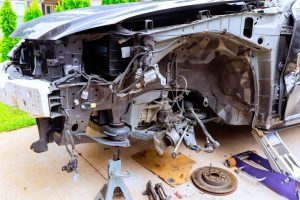
When it comes to vehicle safety, your brake system plays a crucial role. The brake caliper, which houses the brake pads, is an essential component in the braking process.
However, when the brake caliper malfunctions, it can significantly impact your vehicle’s stopping power, leading to increased stopping distances and potential hazards on the road.
In this post, we’ll explore the symptoms of brake caliper problems that can result in longer stopping distances, and why it’s important to address these issues as soon as possible.
What is a Brake Caliper?
Before we dive into the symptoms, let’s briefly discuss what a brake caliper is. The brake caliper is a device that squeezes the brake pads against the brake rotor to create the friction necessary to slow down or stop your vehicle. It’s connected to the brake system and is vital for applying consistent pressure on the brake pads when you press the brake pedal.
If the caliper becomes damaged or malfunctioning, it can cause uneven brake pressure, which in turn affects the vehicle’s ability to stop effectively.
1. Pulling to One Side When Braking
One of the most noticeable signs of a brake caliper problem is when your car pulls to one side during braking. If the caliper is stuck or not functioning correctly, it can cause uneven pressure on the brake pads, making one side of the car work harder to stop than the other.
This uneven braking can significantly increase your stopping distance because the vehicle is not braking evenly across all wheels. As a result, you may find yourself needing more time to bring the vehicle to a full stop, especially in emergency situations.
Why it affects stopping distance: The uneven braking creates an imbalance that prevents the vehicle from stopping smoothly and efficiently, leading to longer stopping distances.
2. Uneven Brake Pad Wear
Brake pads should wear evenly on both sides, but a malfunctioning caliper can cause uneven wear. If a caliper is sticking, it may cause one brake pad to wear faster than the other. The excessive wear on one side of the brake pad reduces its effectiveness, which means that it will take longer to stop the vehicle when applying the brakes.
Why it affects stopping distance: Uneven wear can lead to reduced friction on one side of the brake, making the stopping process less efficient and increasing stopping time.
3. Squeaking or Grinding Noises
A high-pitched squeaking or grinding sound when braking can indicate that the brake caliper is not releasing the brake pads correctly. This could happen if the caliper is stuck in the engaged position, causing constant friction between the brake pad and rotor.
Why it affects stopping distance: When there’s excessive friction due to a caliper issue, it can cause overheating and reduced braking performance. As a result, you may need to press the brake pedal harder or longer to achieve the same stopping power, increasing your stopping distance.
4. Increased Brake Pedal Travel
If you notice that your brake pedal is sinking further than usual when you press it, this could be a sign of a brake caliper problem. A malfunctioning caliper may cause inconsistent brake fluid pressure, which can result in the brake pads not engaging as quickly as they should. This can lead to a longer brake pedal travel and decreased braking efficiency.
Why it affects stopping distance: When the brake pads are not engaging quickly enough due to caliper issues, the vehicle will take longer to stop. The further the brake pedal travels, the more time it takes to activate the brakes, increasing the stopping distance.
5. Overheating Brakes
If you notice that your brakes are getting unusually hot, it could be a sign that the brake caliper is sticking or failing. A stuck caliper can cause the brake pads to remain in contact with the rotor, generating excess heat. This heat buildup can cause the brake fluid to boil and reduce the braking power, which in turn lengthens the stopping distance.
Why it affects stopping distance: Overheated brakes lose their effectiveness. When the braking system is compromised by excess heat, it may take more time to bring the vehicle to a stop, as the brakes are no longer able to provide the necessary stopping power.
6. Vibration or Pulsation When Braking
If you feel vibration or pulsation in the brake pedal when applying the brakes, it could be a sign of a warped rotor or a stuck brake caliper. A warped rotor is often caused by uneven pressure applied by the caliper, which leads to an uneven braking surface. This results in inconsistent braking and increased stopping distances.
Why it affects stopping distance: When the braking surface is not even, the brake pads cannot make proper contact with the rotor, making the brakes less effective and resulting in longer stopping distances.
7. Fluid Leaks
Brake fluid leaks around the caliper can indicate that the caliper is failing. Leaking brake fluid reduces the system’s ability to apply adequate pressure to the brake pads, and as a result, your vehicle’s stopping power is compromised. This problem is more common in older vehicles but can happen in any car with a faulty brake caliper.
Why it affects stopping distance: A brake fluid leak decreases the hydraulic pressure required to operate the caliper, leading to reduced braking efficiency and longer stopping distances.
Conclusion
Brake caliper problems can have serious consequences on your vehicle’s braking ability, and the most dangerous of these is an increased stopping distance. Whether it’s due to uneven braking, fluid leaks, overheating, or other malfunctions, it’s crucial to address brake caliper issues immediately to maintain your safety on the road.
If you notice any of the symptoms described above, it’s important to have your brake system inspected by a professional mechanic.
Regular brake maintenance and timely repairs can prevent brake caliper problems from affecting your stopping distance, helping you stop safely in any driving situation.