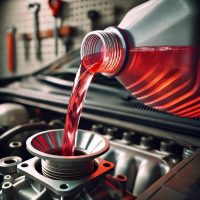
Maintaining your car is essential to keep it running smoothly, and one of the most important things you can do is change the engine oil regularly.
But what happens if you skip this vital step, especially if you have a high-mileage engine?
In this post, we’ll explore the risks and consequences of skipping oil changes in older vehicles.
Understanding Engine Oil’s Role
Engine oil plays a crucial role in lubricating the moving parts inside your engine. It helps reduce friction, prevents overheating, and keeps the engine clean by trapping dirt and debris.
Over time, oil breaks down and becomes less effective, which is why regular oil changes are necessary to keep the engine functioning at its best.
When you skip an oil change, your engine suffers from a lack of proper lubrication. This leads to increased wear and tear on the engine parts and, in the long run, can cause serious damage.
High-Mileage Engines and Oil Changes
High-mileage engines, typically those with over 75,000 miles, are more vulnerable to the effects of skipping oil changes.
As engines age, the internal components experience more wear, and the oil naturally becomes thicker and less effective. Older engines also tend to burn more oil, which means they need more frequent oil changes.
If you fail to change the oil in a high-mileage engine, you risk accelerating the wear on key components, which can lead to costly repairs or even engine failure.
Consequences of Skipping Oil Changes
Here are some of the dangers your engine faces if you skip an oil change:
1. Increased Engine Wear
Without clean oil to lubricate the engine’s parts, friction increases. Over time, this can cause engine components like pistons and bearings to wear down faster. In high-mileage engines, the risk is even greater because the parts have already experienced some level of wear. The result? A much shorter engine lifespan.
2. Overheating
Oil helps dissipate heat from the engine, keeping it from overheating. When you skip an oil change, the oil becomes less effective at this job, leading to higher operating temperatures. Over time, this extra heat can warp or crack engine parts, leading to even more severe damage.
3. Sludge Buildup
Old oil can turn into sludge, which clogs up the oil passages in the engine. This sludge buildup restricts the flow of oil, preventing the engine from being properly lubricated. In a high-mileage engine, sludge can accumulate faster due to the increased wear and oil consumption. Sludge buildup can cause significant damage, leading to costly repairs or even engine replacement.
4. Reduced Performance
As oil becomes dirty and thick, the engine’s efficiency decreases. It has to work harder to maintain the same level of performance, leading to reduced fuel efficiency and overall performance. In high-mileage engines, skipping oil changes can cause rough idling, knocking, and decreased acceleration, making your driving experience less enjoyable and more frustrating.
5. Risk of Complete Engine Failure
One of the most severe risks of skipping oil changes is the potential for total engine failure. If the oil becomes too thick or runs out completely, the engine parts will no longer be lubricated. This leads to severe friction, overheating, and ultimately, a catastrophic breakdown. Repairing or replacing an engine is often far more expensive than maintaining regular oil changes.
How Often Should You Change the Oil in a High-Mileage Engine?
The general rule of thumb is to change the oil every 3,000 to 5,000 miles for most vehicles.
However, high-mileage engines may require more frequent oil changes. Some experts recommend oil changes every 3,000 miles for older vehicles, while others suggest sticking to the manufacturer’s recommended schedule if you use high-quality synthetic oil.
If your vehicle is high-mileage and you’re unsure of its maintenance history, it’s always best to err on the side of caution and change the oil more often.
Tips for Maintaining Your High-Mileage Engine
- Use High-Mileage Oil: Consider switching to high-mileage motor oil, which is specifically designed for older engines. This type of oil contains additives that help reduce oil consumption, prevent leaks, and minimize wear.
- Check the Oil Regularly: In addition to changing the oil, make sure to check the oil level and quality regularly. Low or dirty oil can cause damage before your next oil change.
- Consider Synthetic Oil: Synthetic oils tend to last longer and perform better than conventional oils, especially in high-mileage engines. If you’re not already using synthetic oil, consider switching to it to give your engine extra protection.
- Stay on Schedule: Even if your car seems to be running fine, it’s important to stick to the oil change schedule. Regular maintenance can prevent small issues from becoming big problems later on.
Conclusion
Skipping oil changes in a high-mileage engine can lead to a variety of issues, from increased wear and overheating to sludge buildup and complete engine failure.
Regular oil changes are essential to maintaining the health of your engine and extending its lifespan. If you have a high-mileage engine, make sure to stay on top of oil changes to keep your car running smoothly and avoid costly repairs down the road.
A little maintenance now can save you a lot of money and frustration in the future.